
Liberation is Built on the Truth
By Margaret Mitchell, CEO, YWCA USA
Incidents in the Life of a Slave Girl (1861), written by Harriet Jacobs under the name Linda Brent, was among the first works in American literature to expose the sexual terrorism embedded in slavery. I only recently discovered Jacobs, and I invite you to do the same. Her words both pierced and healed a wound I know all too well. Jacobs is a hero and through her testimony, she makes unmistakably plain a truth spoken 165 years ago.
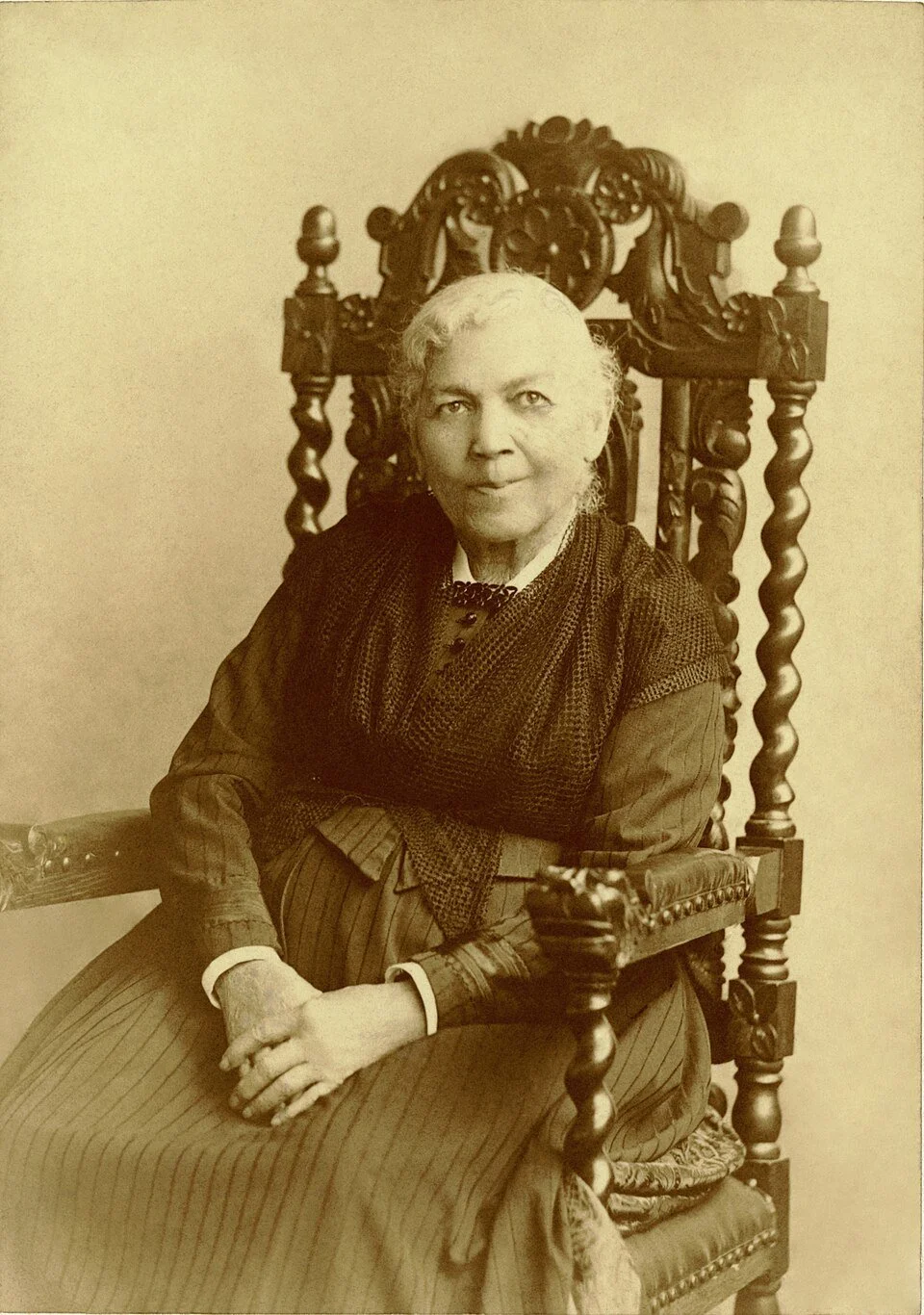
Yet we still try to keep the sexual violence against enslaved girls and women structurally hidden. We refuse to look directly at the fact that the sexual abuse was not incidental but foundational to the slave economy and the bedrock of white supremacy itself. Millions of people were kidnapped, forcibly trafficked from their homes, and subjected to unimaginable pain.
When the transatlantic slave trade was outlawed in 1808 and the importation of Africans fell out of favor, the U.S. slave system did not weaken, but reconfigured. Enslavers turned to forced reproduction as the primary means of sustaining enslaved labor for another 60 years. And sustainability was required. Enslaved women’s bodies became sites of economic production. Rape, forced “breeding,” and coerced sexual access by enslavers were normalized and legally protected. Enslaved girls had no legal standing to refuse, no recognition as victims, and no recourse to justice.
Jacobs’ account is critical because she names this violence as terror, not immorality or personal failing. She describes how sexual coercion functioned to humiliate, control, and silence, enforced by the constant threat of family separation and punishment. This system produced not only physical harm, but deep psychological conditioning: shame imposed on the victim, silence enforced as survival, and power concentrated in the abuser.
The legacy of this sexual terrorism did not end with emancipation. It persists in the bodies, histories, and lived realities of their descendants, shaping the inequities that structure our world today. Through enduring stereotypes and institutional practices that police, disbelieve, and punish, this violence has evolved rather than disappeared, continuing to inflict harm on Black women:
Hypersexualization and Disbelief: Enslaved women were property. The dehumanization of chattel slavery included an enduring subtext cast as sexually available and unrapeable. This trope persists.
Criminalization Instead of Protection: Historically, Black women were punished for defending themselves or labeled immoral rather than protected. Today, Black women are still more likely to be arrested during domestic violence incidents and less likely to receive survivor-centered responses.
Intergenerational Silence: Silence around sexual violence was a survival strategy under slavery and Jane Crow. Breaking that silence meant your death, loss of your children, and family retaliation. That inherited silence remains powerful.
These narratives don’t just shape our perceptions; they shape vulnerability. Today, Black girls are disproportionately likely to experience trafficking but are less likely to be identified as victims and more likely to be punished. Modern trafficking cannot be understood outside of the racialized system that normalized the sale and violation of Black bodies.
Jacobs’ decision to speak publicly in 1861 was beyond radical. In the original forward a white woman attested to the truth and authenticity of the work. By claiming authorship of her personal story, and systematic harms Harriet Jacobs disrupted the power dynamic that depended on her silence. Voice shifts shame from the survivor to the system that enabled the violence. It reframes survival as resistance.
Black women are still speaking out. Through the media, testimony, advocacy, art, and policy we are dismantling a centuries-old structure that depends on invisibility. Our voice, our words, our action:
Restore our Agency: Naming harm asserts personhood long denied.
Disrupt Stereotypes: Truth-telling counters myths that excuse violence.
Build Collective Power: Individual stories become movements that demand institutional accountability.
Break Modern Chains: Silence, fear, and imposed shame function as modern chains. Breaking them is an act of liberation.
Incidents in the Life of a Slave Girl is not only a historical document; it’s a mirror of America. The sexual terrorism Jacobs described shaped norms, laws, and narratives that still influence Black women’s lives. Understanding this lineage clarifies why reporting remains low and why black women’s voices remain revolutionary. Each act of speaking does more than heal an individual, it erodes one of slavery’s most persistent legacies and redistributes power where it has long been denied.
This moment calls us to more than remembrance. It asks us all to confront what endures, name the systems that persist, and honor the courage of Black Women who have always told the truth at great personal cost. History is not past. It is present. We must be brave and recognize that liberation is built each time we tell the truth—about who we have been, who we are, and who we are still struggling to become.