
Rosetta Evelyn Lawson Rising from the Footnote of History to the Forefront of HerSTORY: Blazing a Trail for Inclusion at YWCA
By Roxanne Vigil
For too long, Rosetta Evelyn Lawson was treated as a footnote in YWCA’s history. Recognizing her as one of the most influential founding figures of our movement whose vision reshaped what safety, dignity, and opportunity could look like for America’s women and girls is an overdue act of restoration.
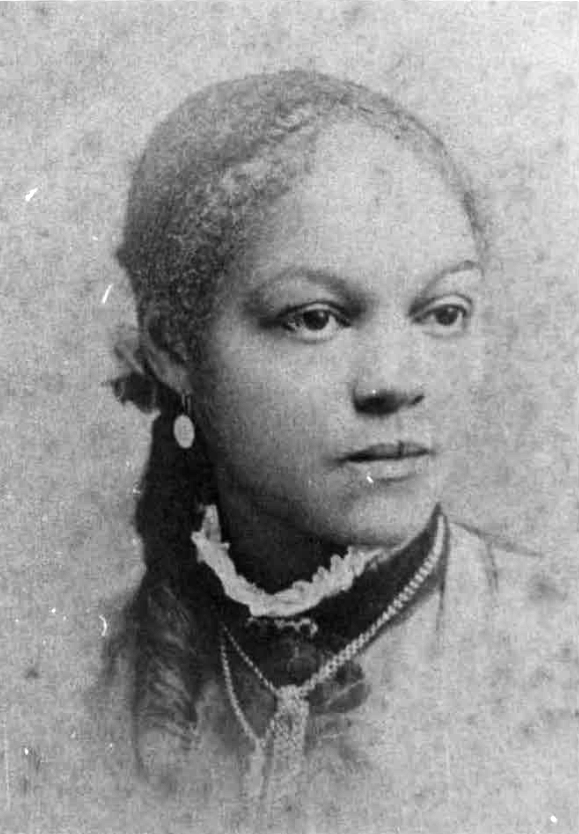
Rosetta led a groundbreaking effort to create the first safe, clean, and affordable housing option in the United States specifically for Black women and girls migrating to cities in search of opportunity. At a time when segregation and discrimination severely restricted access to dignified living conditions, her vision created a national model of protection, support, and advancement for women of color.
Rosetta was born in 1857 in King George, Virginia, to an enslaved father and a free mother. Like many Black families of that era, their names have been lost to the complicated pre–Civil War era that overtook the Virginia landscape. She was born at a volatile time and place in American History that makes her efforts as an adult all the more courageous and innovative. Amidst a looming Civil War, she was coming of age, watching as families were torn apart, witnessing pro slavery militias occupying the Virginia territory, battle after battle of bloodshed until eventually the Union Army overtook the Confederate and turned a seceded Confederate state against the Union into a free slave state in 1865.
These early moments shaped her resilience for change; they allowed her to dream of a better world where she could freely participate. As she witnessed the end of slavery and the beginning of a new and unsteady world for newly free Black people, Rosetta gained a deep understanding that freedom is never given; it is fought for. This belief became a throughline of her life as she navigated the Reconstruction era with determination and a fierce commitment to ensuring newly freed Black people gained access to political power, education, and economic opportunity they had been denied for so long.
When Rosetta came of age, YWCA was still coalescing, regionally fragmented, and reflective of the racial and class exclusion of society at the time. What existed was largely organized by and for white, middle- and upper-class women. Rather than accepting that reality, Rosetta did something radical.
In 1905, one year before YWCA’s national organization was officially developed, Rosetta led the creation of the first colored Young Women’s Christian Association in Washington DC. It became a haven for Black women and girls to gather and grow in the midst of the terror of Jim Crow. Rosetta named her branch of the YWCA in honor of Phyllis Wheatley, a prominent West African-born African American female poet who was sold into slavery in 1761 at the age of seven. Much like Rosetta, Wheatley blazed a trail through reading and writing at a time when it was illegal to not only learn but to teach enslaved people to read and write. The Phyllis Wheatley branches of YWCA emerged across the country as a symbol of inclusion, anchored into YWCA’s herstory and carrying this transformative legacy forward.
Rosetta saw a movement still being defined and understood just how key Black women’s leadership would be to its future success and longevity. Today’s YWCA, committed to racial justice and the empowerment of women and girls of color, and strengthened by a powerful legacy of Black leadership, is built directly on the foundation that Rosetta Lawson laid. Yet for decades that truth went unnamed. To uplift Rosetta now is not to revise history but to tell it fully. Without her leadership, courage, and vision, YWCA’s mission and moral compass would be profoundly different.
Article: “Colored People Decide to Form Young Women's Christian Association,” published April 21, 1905.